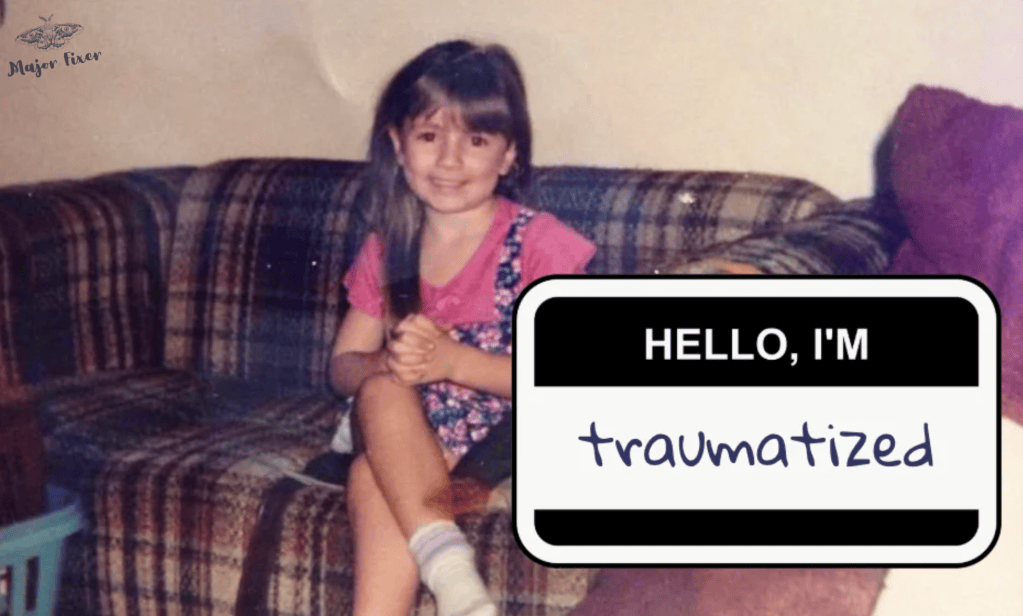
I’ve been in therapy off and on since my early 20s, but it wasn’t until my late 30s that I finally saw a therapist who changed the game. I started seeing Heather in the spring of 2023, after posting on social media about my crippling anxiety, the way I’d go into freeze mode throughout the day and be totally unable to work or get anything done at all, the way I could so easily get overstimulated and shut down or collapse into a state of panic.
I’d been that way for so long I thought it was normal—or, at least, I thought it was just how I was. Just me and my messed up brain. No need to look for a cure.
Because of that belief, I’d never really explained to a therapist how bad it got. I talked about having anxiety or procrastinating. I didn’t explain how most days I felt simply paralyzed by worry, stress, fear, grief, uncertainty. When I finally opened up about it online, I was lucky enough to be met with compassionate responses from several people I knew who all told me, “This. Go to therapy again, and tell that therapist exactly this.”
So I did.
I went into my first appointment with Heather prepared to be radically honest about how dysfunctional I felt. And she gave me a safe space to continue being radically honest. She referred me to a psychiatrist, as well, and together they ultimately diagnosed me with generalized anxiety disorder, ADHD, and something else I wasn’t expecting: C-PTSD.
C-PTSD stands for complex post-traumatic stress disorder. It’s like regular PTSD, except it arises from ongoing, repeated trauma—usually things like childhood abuse, domestic violence, or chronic bullying.
It’d take a memoir to tell you all the details of my ongoing, repeated trauma, so I will give you the CliffsNotes version:
My father was a functional alcoholic and domestic abuser. I witnessed the vast majority of that abuse. My mother was an unchecked narcissist who parentified the hell out of me while at the same time always letting me know that her greatest disappointment in life was that I would never be beautiful enough or thin enough or good enough. My extended family? Well, they all helped make my parents the way they are, so there was no support or love to be found there either.
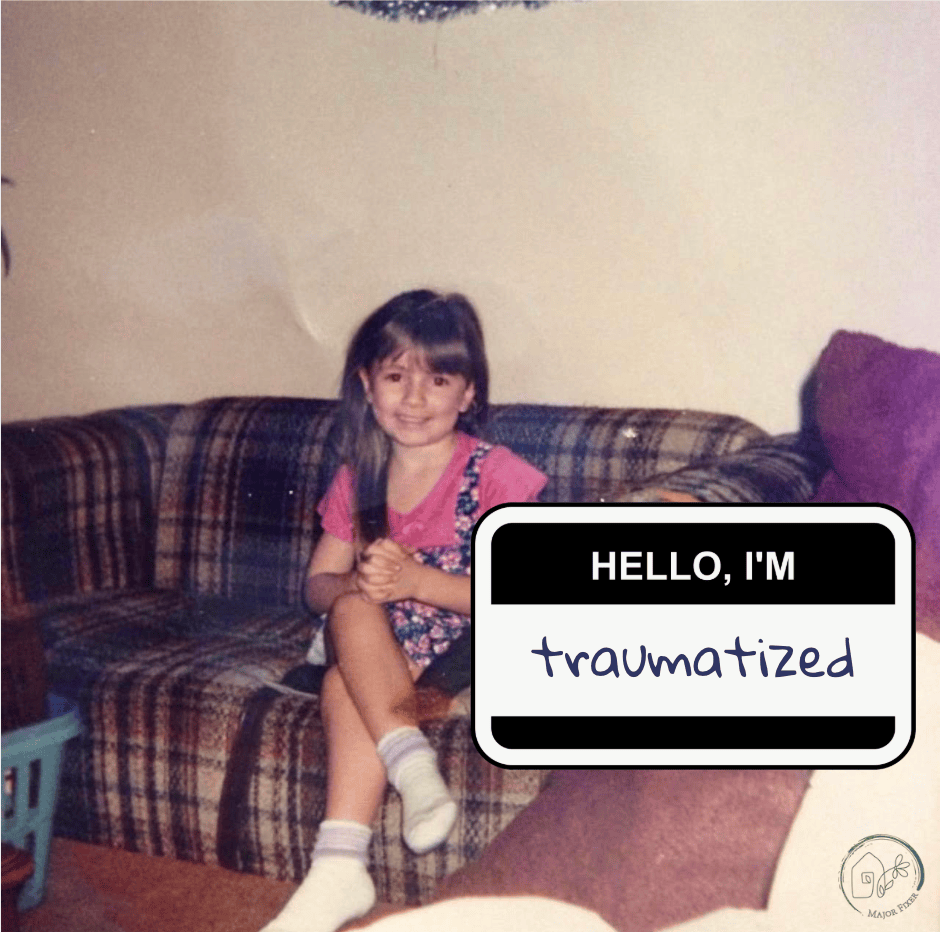
I’ve volleyed back and forth between anorexia and bulimia. I was bullied in school. I had a bunch of my own emotionally abusive relationships as a result of the environment I grew up in. I was sexually assaulted by one of my boyfriends in college and told myself it wasn’t really sexual assault for, like, 10 years after it happened.
Minimizing the abuse I’ve experienced has always been a survival tactic, though I didn’t always know it. Mostly I told myself that other people had it way worse and I had no right to act like the things that happened to me were that bad. That belief kept me from falling apart, but it also kept me from confronting the realities of my past. It kept me from ever being able to heal.
Heather burned all of that down. One of the first things she asked me to do in therapy was to help her create my trauma timeline. It worked like this: I’d start at whatever point in my life I wanted to, and I’d talk her through any event that felt like a trauma to me, in whatever order I wanted, while she took notes and ultimately just let me talk through it and process.
I started at the beginning, with the earliest things I could remember, and I talked through every traumatic event from toddlerhood to age 36. It took nearly 15 appointments.
15 hours.
And, in the process of that, it finally hit me: some people have had it worse than I have, but I’ve had some bad shit happen too. And the things that happened to me count. Harm was done. Trauma was forged. I am allowed to call myself a victim—of so many things.
Finally seeing that, finally having someone take my childhood trauma seriously and honor and validate anything in my life that I felt harmed me, is what finally allowed me to begin to heal.
This is important to me because yesterday, September 2, was C-PTSD Awareness Day.
Technically, the entire month of September is C-PTSD Awareness Month. And I don’t know that enough people are actually aware of what C-PTSD is or even that it exists. It’s recognized by the World Health Organization but not listed as a separate diagnosis in the DSM-5 yet. No therapist before Heather had ever talked to me about it. Before Heather, I’d never really even heard of it, and I thought PTSD was something that happened primarily to soldiers or victims of violent crimes.
I’m a different person today because of my awareness of C-PTSD. Because of Heather. Because of talking about my pain and finding the right cocktail of medications that finally made the panic and terror feel manageable.
But I spent 36 years of my life walking in circles and trapped by my trauma. I was so deep in it that I didn’t even know it was there. It was oxygen to me. It was what my world had always looked and sounded and felt like.
One of my goals in starting this blog was to write, as I say in my bio, about “restoring my 122-year-old house and myself.” This is at the root of that. At 39, I am three years out from the C-PTSD diagnosis that changed my life. I am three years into a version of me that is living the kind of life she wants to live for the first time. In so many ways, I feel like my life is just starting.
I’m an optimistic little kid with the whole world in front of me, living in a nearly 40-year-old body with all the wisdom a woman that age possesses, and it’s fucking wonderful.
So for C-PTSD Awareness Day, or Month, or All-The-Time-Forever-And-Ever, I want to share with any trauma survivor who crosses my path that there is life beyond the pain. There’s life beyond whatever has happened to you. The harm was real, the pain is valid, you can forgive yourself for everything you’ve done to survive, you can ask for help, and you can start fresh—again and again and again.
I don’t want it to seem like I’m wrapping it all up with a bow. I still have C-PTSD. I still have anxiety and ADHD, too. I’m still working on myself and learning how to regulate my nervous system and discovering new cracks I need to fill with super glue in order to keep moving. But there’s beauty and strength in that process, as hard as it may feel sometimes.
Here’s to our broken parts, and the miracle of every single day that we get to wake up and keep trying to love them.


Leave a Reply